How Often Should a GTA Office Really Be Cleaned? A Frequency Guide by Space Type
By Probello Facility Services · January 14, 2026 · 7 min read

Most office cleaning contracts are written around a single number: nights per week. That number is easy to price and easy to compare, but it tells you almost nothing about whether the spaces your tenants and staff actually judge you on are being maintained. A better approach is to set frequency space by space, based on touch volume and visibility.
Start with touch volume, not square footage
A 12,000 sq ft floor with 30 hybrid staff generates a fraction of the soil load of a 6,000 sq ft floor with a busy reception, client meeting rooms, and a shared kitchen. Frequency should follow people and touch points, not the floor plate.
A working frequency guide by space type
Daily (every service night)
- Washrooms: fixtures, dispensers, floors, and full restock
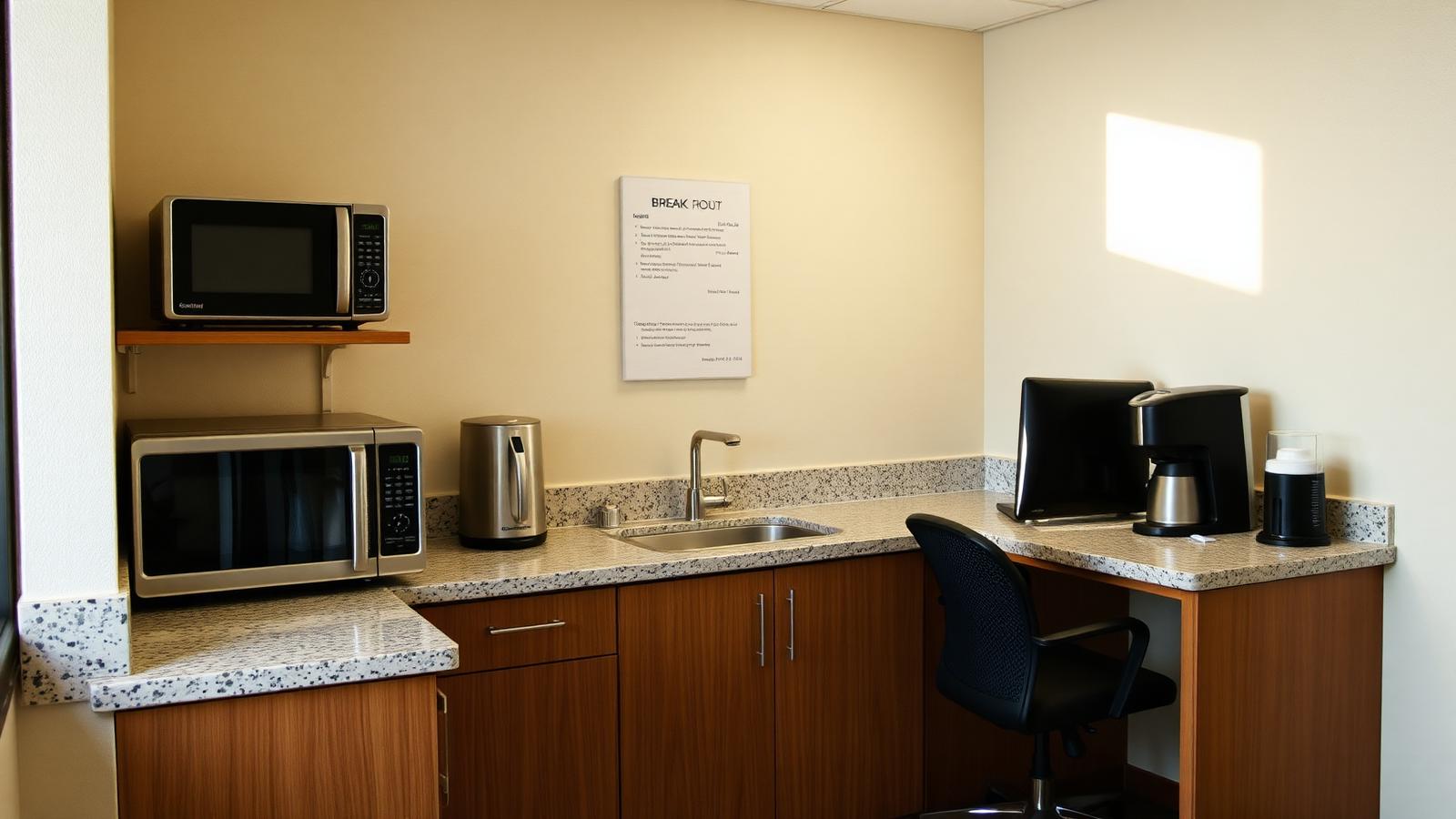
- Kitchens and coffee points: counters, sinks, appliance fronts, waste removal
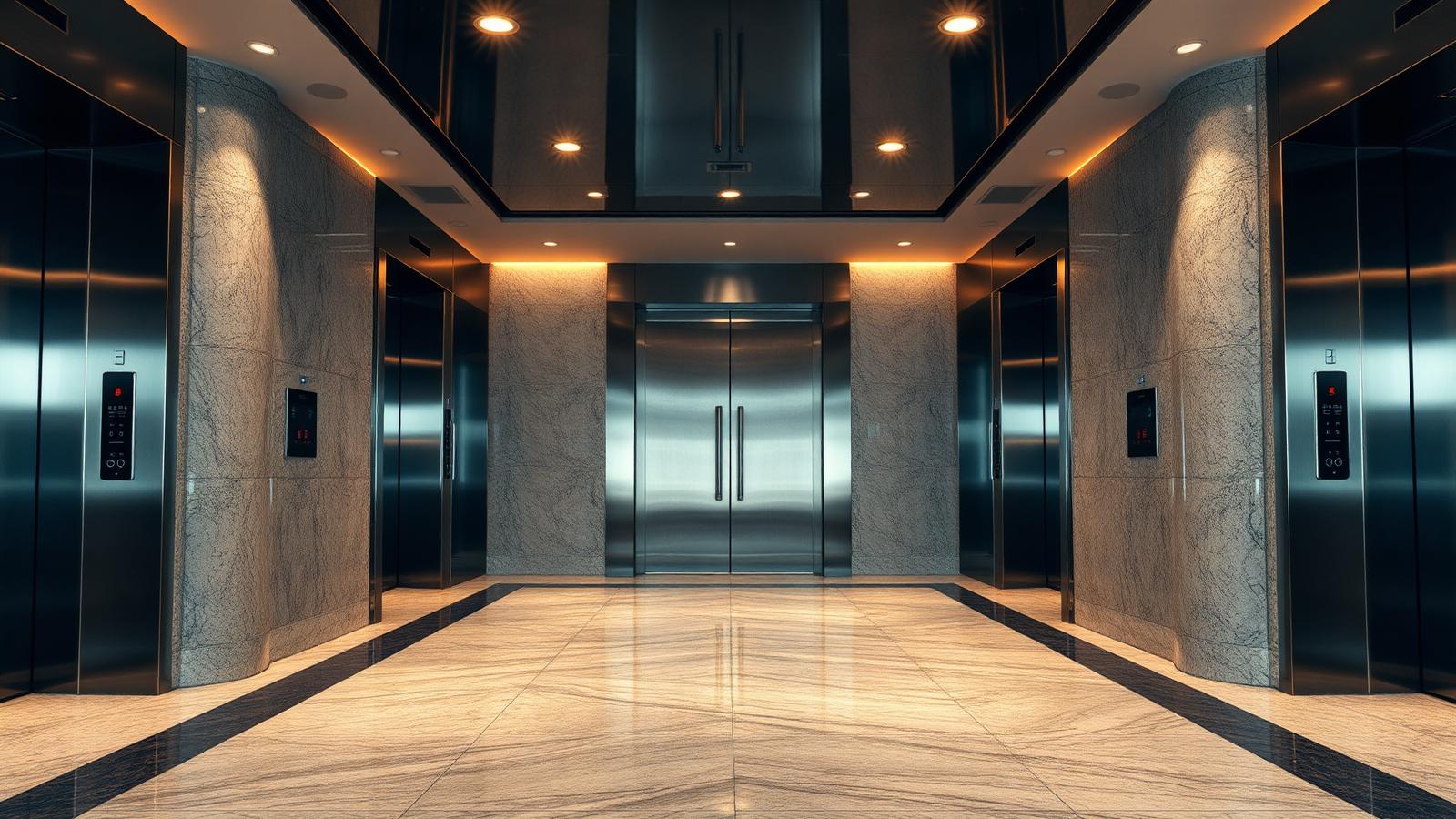
- Entrances, reception, and elevator lobbies: glass, hard floors, spot vacuum
- High-touch points: door handles, push plates, light switches, shared keyboards
Two to three times per week
- Open-plan workstation vacuuming in hybrid offices with low occupancy days
- Meeting rooms not booked daily
- Interior glass partitions and smudge-prone surfaces
Weekly
- Detail dusting: sills, baseboards, vents, ledges above eye level
- Hard-floor damp mopping in secondary corridors and storage areas
- Upholstered chair spot cleaning in reception and boardrooms
Monthly to quarterly (periodic program)
- Carpet extraction in traffic lanes, entry mats, and under desks
- Hard-floor scrub, burnish, or recoat depending on finish
- High dusting, light diffusers, and vent grilles
- Interior and accessible exterior window cleaning
Tenants rarely complain about a dusty ledge. They complain about washrooms, kitchens, and the front door — the three areas that should never drop below daily.
Adjust for GTA realities
From November through March, salt and slush change the math. Entry matting, lobby hard floors, and elevator cabs need more frequent attention, and interim carpet cleaning in entry zones is cheaper than replacing carpet that has been ground down by de-icer. In summer, HVAC-driven dust and patio traffic shift the load elsewhere.
How to put this into a scope
- Zone the floor plan and assign a frequency to each zone
- List periodic work with a month-by-month calendar, not a vague 'as needed'
- Require supervisor-verified inspections so frequency is proven, not assumed
- Review the schedule twice a year against actual occupancy data
A frequency-based scope usually costs the same or less than a flat schedule, because you stop paying for work nobody notices and start paying for the areas that drive complaints.