What Public Health Ontario Cleaning Protocols Actually Require for Medical Offices
By Probello Facility Services · February 11, 2026 · 8 min read
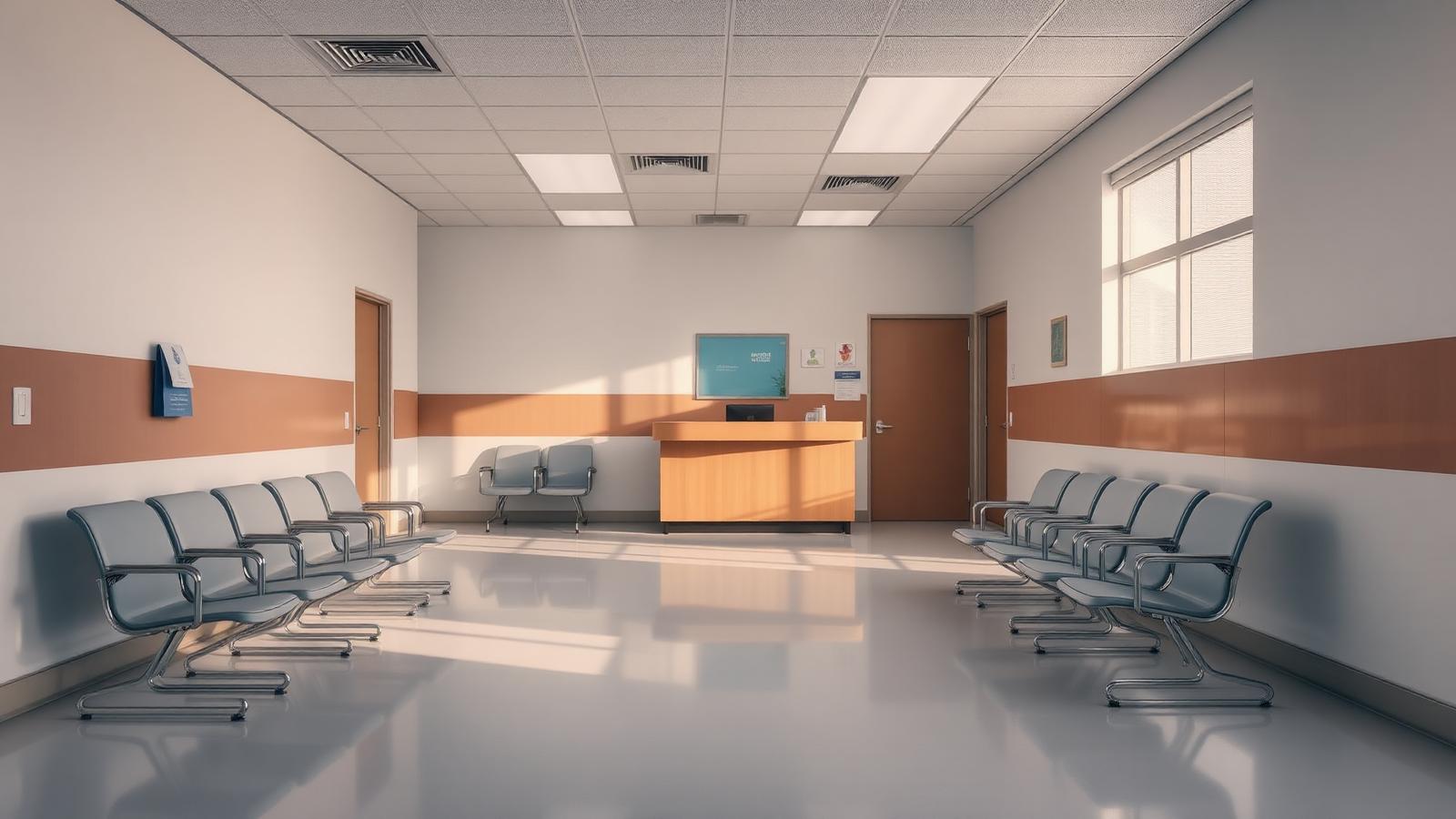
Medical offices, dental practices, and community clinics in Ontario are held to a different standard than general office space. Guidance from Public Health Ontario and the PIDAC best-practice documents treats environmental cleaning as an infection prevention control — which means the process, chemistry, and record keeping matter as much as the finished look of the room.
This is a plain-language overview, not legal advice. Confirm requirements with your local public health unit and your regulatory college.
1. Risk zoning of every room
Spaces are grouped by infection risk and patient contact, and cleaning frequency follows the zone rather than the schedule:
- Clinical and procedure rooms: between patients plus a full daily clean
- Waiting rooms, reception, and washrooms: multiple times daily with high-touch focus
- Administrative and staff areas: daily general clean
- Soiled utility and waste rooms: daily with dedicated equipment
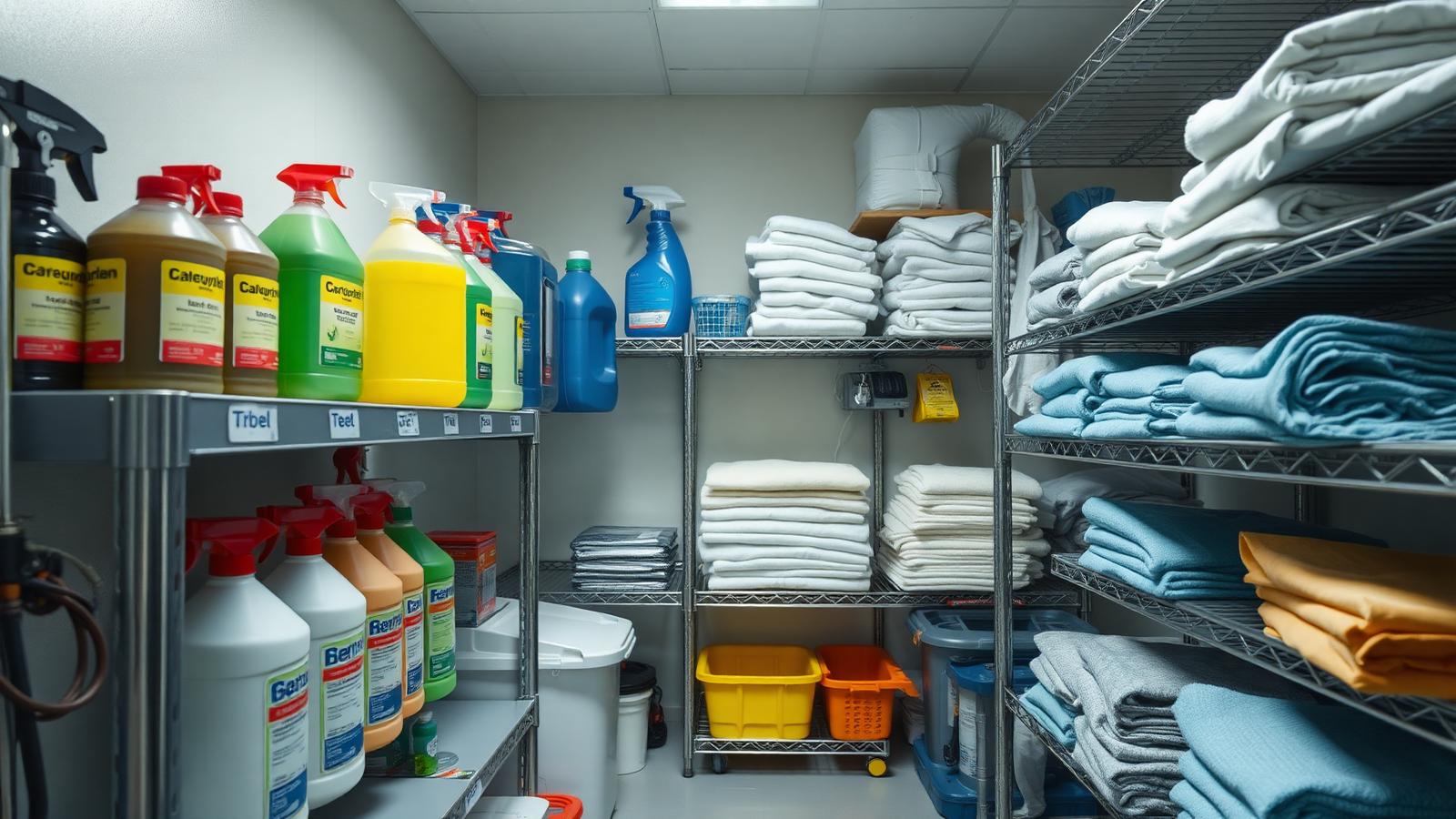
2. Hospital-grade disinfectants with a DIN and a real contact time
Products must be Health Canada registered with a Drug Identification Number and used at the labelled dilution. The most common failure in clinic audits is wet contact time: a surface wiped and dried in 15 seconds has not met a 1-, 3-, or 5-minute claim. Crews need to know the contact time for every product they carry.
3. Clean-to-dirty, top-to-bottom, and no double dipping
- Work from the least soiled area toward the most soiled
- Colour-coded microfibre by zone to prevent cross-contamination
- Single-use or laundered cloths — never returned to the solution
- Separate mop heads for clinical and washroom areas
4. Blood and body fluid spill procedure
Every clinic needs a written spill response: PPE donned, spill contained and absorbed, area disinfected at the labelled contact time, waste disposed of as biomedical where required, and the event logged.
5. Waste and sharps handling boundaries
Cleaning staff handle general and recyclable waste. Sharps containers are sealed and staged by clinical staff; contractors should transport only when trained and authorized under your biomedical waste program.
6. Training records and documentation
- WHMIS 2015 training with accessible safety data sheets
- Infection prevention and control orientation for every assigned cleaner
- Written cleaning procedures posted or carried on shift
- Signed or digitally verified inspection records retained for audit
When an inspector arrives, the question is rarely 'is this room clean?' It is 'show me the procedure, the product label, and the record.'
What to require in a clinic cleaning contract
- Named, background-checked crew assigned to your site
- Product list with DINs and contact times attached to the scope
- Supervisor-verified quality inspections with retained records
- Defined escalation path for outbreak or contamination response